this person existed in the beginning from God, all things were created through him nothing came into existence apart from him. In him exists life and the life exists the light of men.*
 He was in the beginning with God, and all things came into existence through him, he was the word of God that existed with God, that became flesh and dwelt among men. He was a light in the darkness and the darkness could not comprehend it, and he was in the world and the world was created by him but the world did not know him. He came to his own people but they did not accept him. Now, to as many as receiving the light, he gave the right to become children of God. A light shined forth in the world that enlightens all men, and this light shows us the way to true life.
that which existed in the beginning we have heard, like as seeing with our eyes, like as gazing upon, and our hands have touched concerning the word of life.*
The light pointed men to eternal life, which is not just a ticket to heaven, but he exists the word of life that gives life. This word of life is like eating bread but not like earthly bread that fills the belly and gives life to flesh, no, this is food that gives much more. This food is above the life of this world, as it endures unto eternal life. This is the life that was written about, that every man shall not live by earthly bread alone but to the extent of every word coming through the mouth of God.* Unlike the Old where God spoke through a mediator, the words of God now come to men, through a greater oath, a better promise, and hope, and fulfillment of the promise of life, through the one who was the Word of God in the beginning with God and was God.
This life was revealed and seen and testified and proclaimed to you, eternal life, that existed with the Father and was manifested to us, whom seeing and hearing we proclaim to you so that you also have fellowship with us...*
The new covenant is a ministry of life.* Christ died for our sins so that we participate in his death, no longer living to the sinful nature, and if we participate in his death then also we participate in his life. We come into existence a new creation, the old is passing away and the new is coming into existence.* "In him exists life and the life exists the light of men."* The words of Jesus exists eternal life thus the light showing us the way to life. Walking in newness of life, is to walk in the light, as he is the light in which we have fellowship, and if we have fellowship with him, also the Father, a completion of joy to those in the world but children of light.* The solution for overcoming the flesh and the world, and the way to have a light unto your path to life is to feed on food that endures unto life. Like a lamp unto my feet and light unto my path, I commit my path, laboring for the word of life. Amen.
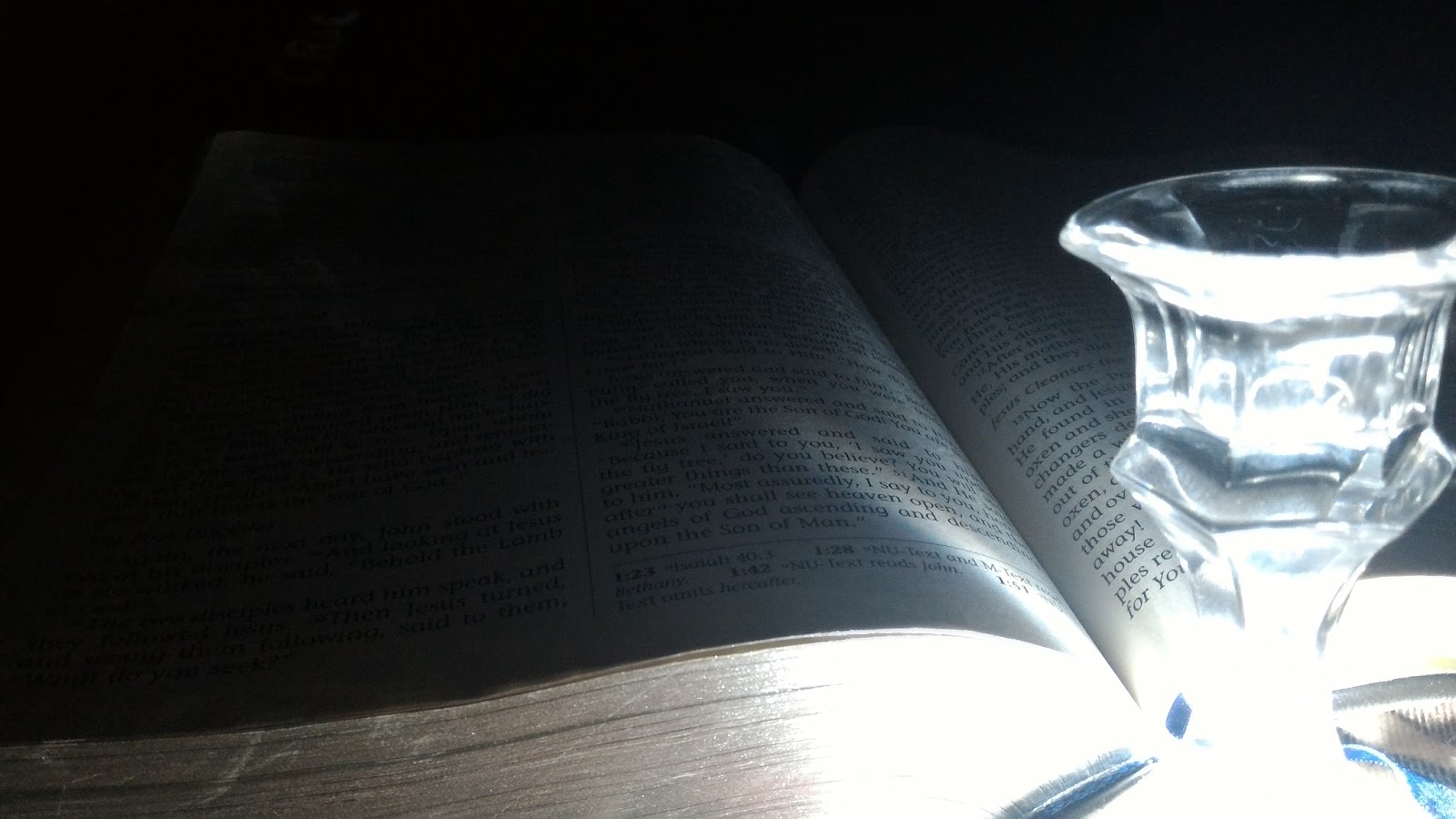 He was in the beginning with God, and all things came into existence through him, he was the word of God that existed with God, that became flesh and dwelt among men. He was a light in the darkness and the darkness could not comprehend it, and he was in the world and the world was created by him but the world did not know him. He came to his own people but they did not accept him. Now, to as many as receiving the light, he gave the right to become children of God. A light shined forth in the world that enlightens all men, and this light shows us the way to true life.
 that which existed in the beginning we have heard, like as seeing with our eyes, like as gazing upon, and our hands have touched concerning the word of life.*
The light pointed men to eternal life, which is not just a ticket to heaven, but he exists the word of life that gives life. This word of life is like eating bread but not like earthly bread that fills the belly and gives life to flesh, no, this is food that gives much more. This food is above the life of this world, as it endures unto eternal life. This is the life that was written about, that every man shall not live by earthly bread alone but to the extent of every word coming through the mouth of God.* Unlike the Old where God spoke through a mediator, the words of God now come to men, through a greater oath, a better promise, and hope, and fulfillment of the promise of life, through the one who was the Word of God in the beginning with God and was God.
This life was revealed and seen and testified and proclaimed to you, eternal life, that existed with the Father and was manifested to us, whom seeing and hearing we proclaim to you so that you also have fellowship with us...*
The new covenant is a ministry of life.* Christ died for our sins so that we participate in his death, no longer living to the sinful nature, and if we participate in his death then also we participate in his life. We come into existence a new creation, the old is passing away and the new is coming into existence.* "In him exists life and the life exists the light of men."* The words of Jesus exists eternal life thus the light showing us the way to life. Walking in newness of life, is to walk in the light, as he is the light in which we have fellowship, and if we have fellowship with him, also the Father, a completion of joy to those in the world but children of light.* The solution for overcoming the flesh and the world, and the way to have a light unto your path to life is to feed on food that endures unto life. Like a lamp unto my feet and light unto my path, I commit my path, laboring for the word of life. Amen.